A freezing ride from Chandigarh to Mandi where my gear failed, but my bike didn’t
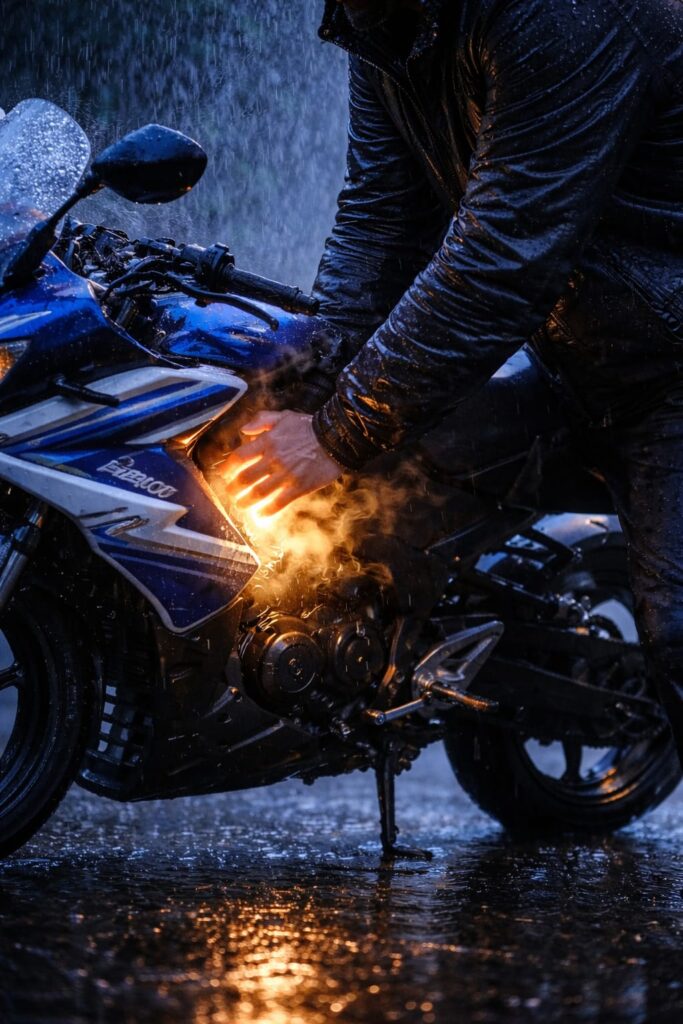
We’ve all seen those “aesthetic” travel vlogs with perfect sunsets and smooth roads. The kind where everything looks effortless, where the rider smiles into the camera while golden light dances on mountain peaks. But on January 23rd, my ride from Chandigarh to Mandi turned into something completely different—a brutal test of endurance that nearly broke me.
I’m not sharing this story for sympathy or views. I’m sharing it because I don’t want you—or anyone in your family—to experience the pain and fear I felt that night. If you think a simple raincoat and regular gloves are enough protection for a long ride through unpredictable weather, you’re making a mistake that could cost you far more than money. It could cost you your health, your safety, or worse.
The Journey Began with Confidence
That morning, the sky looked manageable. A few clouds, but nothing threatening. I packed my raincoat, wore my regular riding gloves, and hit the road with my Pulsar. The first 30 kilometers were smooth. I was making good time, feeling confident about reaching Mandi before dark.
Then the weather changed. Not gradually, but suddenly—like someone flipped a switch. The sky turned dark gray, and within minutes, rain started hammering down. Not the gentle drizzle you can ride through comfortably, but heavy, relentless sheets of water that felt like they were trying to push me off the road.
The Moment My Body Started Shutting Down
I pulled over and put on my raincoat, thinking I was prepared. But here’s the rookie mistake that nearly destroyed me: I completely ignored protecting my hands and feet. My gloves were regular fabric riding gloves, and my shoes were standard sneakers. Within the first few kilometers of heavy rain, water had seeped through completely.
At first, it was just uncomfortable. My feet felt wet, my hands felt cold. No big deal, I thought. I’ve ridden in worse conditions. But I was wrong. Dead wrong.
That’s when the real problem began—what I now call “The Freeze.” It wasn’t just feeling cold; it was my body literally shutting down. My fingers started losing sensation. First, they tingled. Then they went numb. Within an hour, I realized I had to concentrate intensely and use 100% of my mental effort just to pull the brake lever. My fingers felt like frozen blocks of wood attached to my hands.
🔥 25 Times Against the Engine: When Desperation Becomes Survival
The wind cutting through the rain was so sharp and cold that I couldn’t even take my wet gloves off. My fingers were too stiff, too numb. I tried once and nearly lost control of the bike. I was trapped in a nightmare—stuck between the pounding rain above, the freezing wind cutting through me, and the approaching darkness that would make everything ten times more dangerous.
I still had over 100 kilometers to go. My body was failing, but I had to reach home. That’s when I made a decision that sounds crazy but literally saved me: I started pressing my frozen hands against the hot engine cylinder of my bike to regain blood flow.
I’m not exaggerating when I say I did this at least 20 to 25 times throughout the journey. Every 10-15 kilometers, my hands would turn into complete blocks of ice. I couldn’t feel the clutch. I couldn’t properly shift gears. I would pull over on the side of that dark, rain-soaked highway, turn off the engine for just a moment, and carefully press my palms against the hot metal of the engine.
The pain was incredible—the sudden heat against frozen skin felt like burning and relief at the same time. But it was the only thing that brought sensation back. For 30 seconds, maybe a minute, I could feel my fingers again. Then I’d ride on, knowing that in just a few more kilometers, I’d have to do it all over again.
⚠️ The Real Danger Nobody Talks About: On roads where I usually cruise comfortably at 80 km/h, I was struggling to maintain 30 km/h. But it wasn’t just about speed. My decision-making ability was slowing down. My reaction time was compromised. I was second-guessing every turn, every brake, every gear shift. And on a motorcycle, that hesitation is a recipe for disaster. That’s how accidents happen—not from speed, but from impaired judgment caused by physical distress.
The Science Behind What Happened to Me
After I made it home that night, I researched what had happened to my body. When your extremities—hands and feet—are exposed to cold and wet conditions for extended periods, your body prioritizes keeping your vital organs warm. Blood flow to your fingers and toes gets reduced dramatically. This is called peripheral vasoconstriction.
In severe cases, this can lead to hypothermia or frostbite. Even in moderate cases like mine, it causes loss of motor control, reduced grip strength, slower reaction times, and impaired cognitive function. Everything I experienced that night was my body trying to survive by shutting down “non-essential” functions—which unfortunately included the very functions I needed to ride safely.
A Direct Message to Parents: The “Safety-First” Deal
If you’re a parent reading this, and you’re considering buying a motorcycle for your son or daughter, please stop and read this section carefully. I know motorcycles are expensive. I know we all want to give our children the best, the fastest, the coolest model available. But here’s my honest, heartfelt advice based on what I learned the hardest way possible:
If you absolutely have to cut costs somewhere, cut them on the bike itself—never on the safety gear.
- Buy a 150cc motorcycle instead of a 200cc or 250cc model.
- Choose a slightly older model that’s still reliable.
- Skip the fancy accessories and custom paint jobs.
- But NEVER, ever compromise on a high-quality certified helmet, waterproof riding gloves, and waterproof riding boots.
As a son myself, I understand the appeal. We ask for speed, for power, for the bike that looks the coolest among our friends. But that night on the highway, it wasn’t the horsepower of my Pulsar that mattered. The engine ran perfectly. What failed was my preparation—specifically, my lack of proper protective gear.
Don’t let your child learn this lesson through pain and fear like I did. Make a deal with them. Sit them down and say: “I will buy you the motorcycle you want, but only after we invest in the best safety gear first. Non-negotiable.” Show them this article. Make them understand that the gear isn’t optional—it’s what allows them to ride another day.
💡 The Investment That Matters: A good waterproof riding jacket costs ₹5,000-12,000. Quality waterproof gloves cost ₹2,000-5,000. Waterproof riding boots cost ₹4,000-10,000. Yes, that’s ₹11,000-27,000 total. But here’s the perspective: would you rather spend that money once on gear that lasts years and keeps your child safe, or save it and risk a medical emergency that costs lakhs—not to mention the emotional trauma?
Why “Waterproof” Is About Survival, Not Comfort
I see a lot of Gen-Z riders (and I include myself here) who focus heavily on aesthetics. We want gear that looks good in photos, that matches our bike’s color scheme, that makes us look like professional riders. Meanwhile, more experienced riders focus on one thing: durability and functionality.
That night taught me that waterproof gear isn’t a luxury item for people who ride in extreme conditions. It’s a survival necessity for anyone who rides regularly, because you never know when weather will turn against you. When your feet are soaked and every pedal movement feels like your wet socks are cutting into your skin, you’re not concentrating on the road ahead—you’re focused entirely on your pain and discomfort. That’s the moment when you miss seeing a pothole, or don’t notice a vehicle merging into your lane, or misjudge a turn.
Waterproof gear keeps you dry. Staying dry keeps you warm. Staying warm keeps your body functioning. Functioning properly keeps you safe. It’s that simple and that critical.
What I’m Doing Next: Testing Gear So You Don’t Have To
Since that nightmare ride, I’ve spent hours researching and comparing every major brand of riding gear available in India. I’m not talking about expensive imported gear that costs ₹50,000 for a jacket. I’m looking for equipment that works in real Indian conditions—the kind of unpredictable weather we face in the Himalayas, the monsoon season, the sudden temperature drops.
I’m currently field-testing several pairs of waterproof gloves and boots to see which ones actually deliver on their promises when you’re riding for 3-4 hours straight in heavy rain. Which ones keep your hands warm and dry? Which ones maintain grip and control? Which ones are worth your hard-earned money?
Stay connected with yuvi9vlogs, because soon I’ll be releasing a comprehensive Ultimate Waterproof Gear Guide—complete with real testing data, honest reviews, and recommendations at different price points. My goal is to help you make an informed decision so you can invest wisely in gear that actually protects you when it matters most.